Why Wedding Dress Alterations Cost What They Do
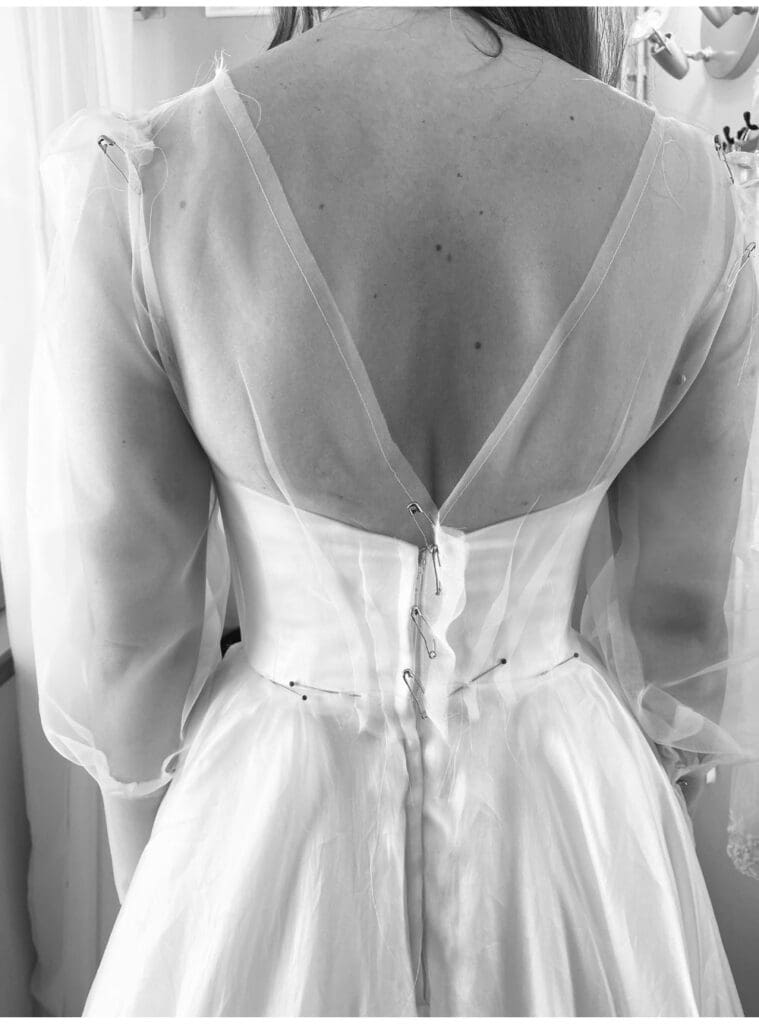
Many wedding dresses arrive in my studio looking finished. They’ve been chosen with love, tried on in beautiful boutiques, and admired from every angle. But very often the most important work hasn’t begun.
Wedding dress alterations are not about simply making a dress smaller or shortening a hem. They’re about shaping a gown to a real body, creating balance, comfort, and confidence, and doing this in a way that preserves the integrity of a gown that cannot be replaced.
Many brides ask how much wedding dress alterations cost, or why bridal alterations can sometimes feel more expensive than expected. The truth is that the cost of wedding dress alterations depends entirely on the construction of the gown and the work required to achieve a proper fit.
It is completely natural to wonder why wedding dress alterations can sometimes cost more than expected. Much of the answer lies in what is involved beneath the surface.
For further guidence on bridal alterations, timelines, and what to bring to your fitting, you can visit my Bridal Alterations FAQ page.
Why Wedding Dress Alterations Vary in Cost
No two wedding dresses and no two bodies are the same. Alterations vary because the work required varies.
Some gowns need only small adjustments. Some require more detailed structural work beneath the surface, reshaping bodices, adjusting internal support, rebalancing proportions, or carefully working through layers of lace, beadwork, and tulle.
Two dresses may look almost identical on the hanger, yet once they’re on the body the work required can be completely different. That’s why alteration costs vary. It isn’t about the label inside the dress. It’s about what the dress needs in order to fit you beautifully.
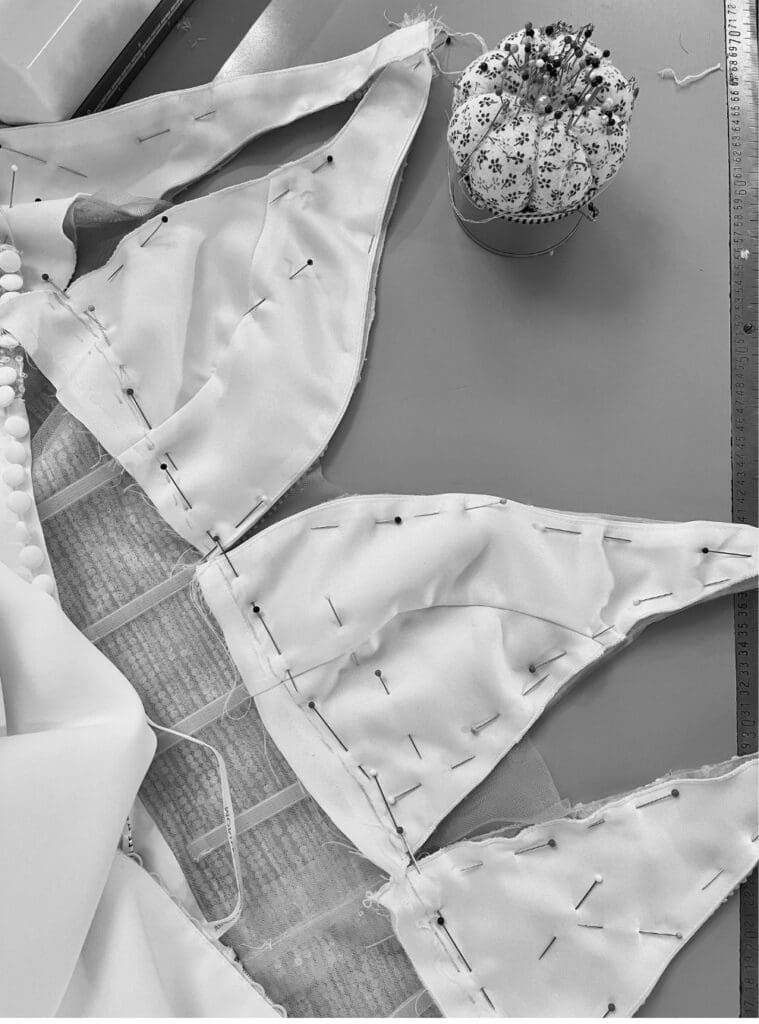
Much of what goes into bridal alterations happens inside the gown, quietly and out of sight.
What Is Involved in Bridal Alterations?
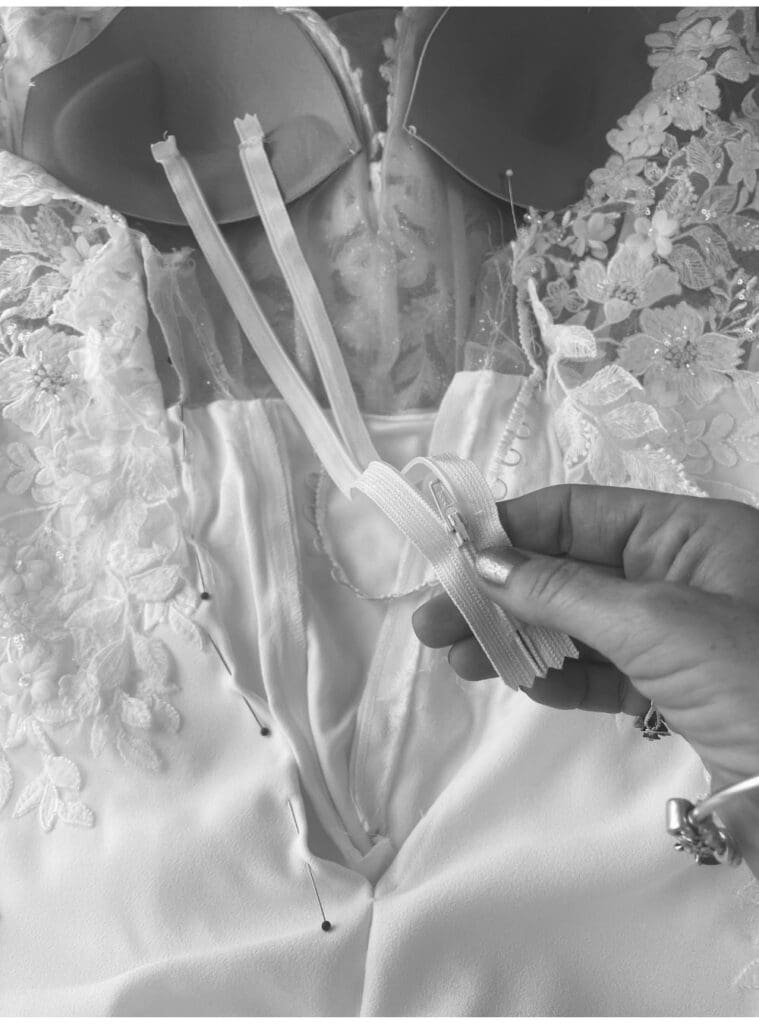
It might mean reshaping the bodice through boning and internal structure so it supports you properly. It might involve adjusting the bust line so the dress feels secure and comfortable from morning to evening. It could mean carefully unpicking and reworking beaded or lace fabrics where every stitch must be noted before it’s moved.
Straps may need to be removed and redesigned. Skirt layers may need to be adjusted individually so the gown falls and moves as it should.
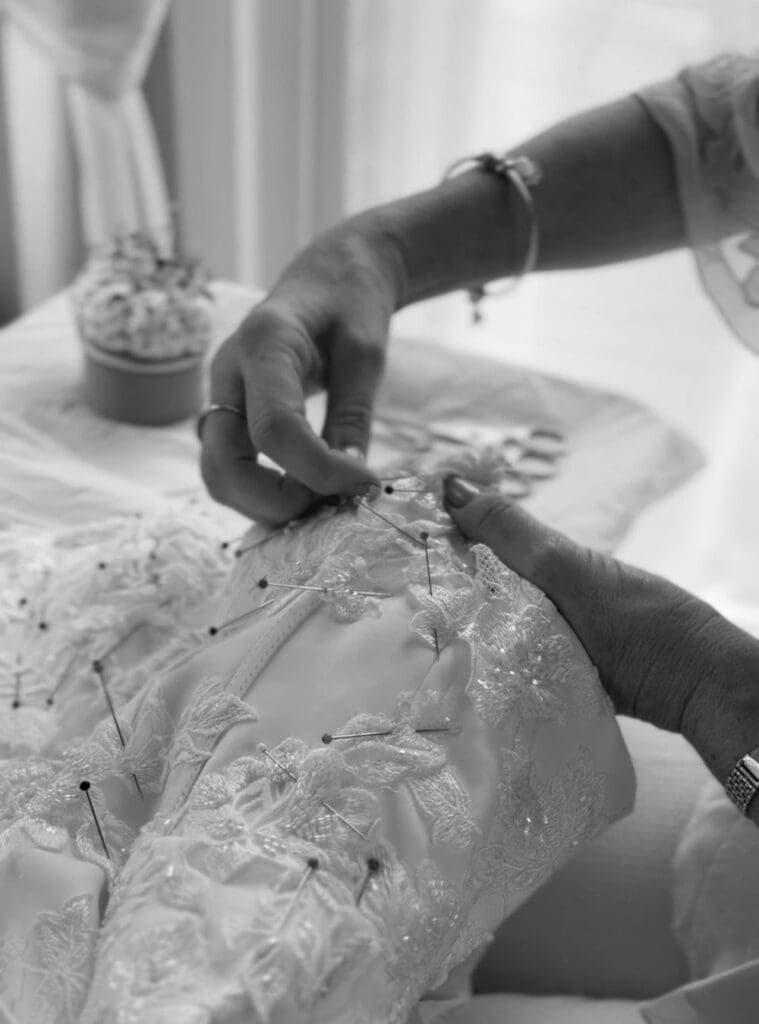
For example, removing and replacing lace or beadwork so that seams can be reshaped is not a simple adjustment. Each section must be unpicked, preserved, and repositioned so the original design remains intact. What may look like a small change on the outside can involve hours of detailed work beneath the surface.
Hems are refined so the dress glides rather than drags whether you’re walking, turning, or dancing.
Each of these elements affects how the gown looks, how it feels, and how it moves, and each one requires patience, precision, and experience.
How Much Time Do Wedding Dress Alterations Take?
One of the biggest misconceptions around alterations is time. Alterations don’t happen in a single afternoon. They are made gradually across multiple fittings, with many hours of careful work taking place between each fitting appointment.
I’ve written in more detail about the fittings process in my Inside a Bridal Fitting blog, which explains how wedding dress alterations are shaped over multiple appointments.
Certain fabrics slow the process considerably. Beading, lace, and delicate materials must be unpicked and reapplied by hand. Structural changes cannot be rushed. Every adjustment needs to be tested on the body, reassessed, and refined.
Some of the work you’re paying for is work you may never even see, but you will feel it. You’ll feel it in the way the dress stays in place, in the way it supports you, in the way you move without having to think about it.
Why Bridal Alterations Require Specialist Skill
Bridal alterations aren’t only priced per stitch, they’re priced on responsibility, time and experience, and the trust placed in a seamstress or tailor to work on a gown that often cannot be replaced.
A wedding dress isn’t a practice piece. Every decision made inside the gown carries weight. Knowing what can be changed, what should be left untouched, and how to achieve the right fit without compromising the design requires skill and experience. That responsibility is a significant part of what you are paying for.
What You Are Really Paying For in Wedding Dress Alterations
Beyond time and materials, bridal alterations reflect years of learning, understanding how gowns are constructed, how fabrics behave, and how structural changes can be made without compromising the design.
They also reflect calm decision making and accurate knowledge of your gown’s construction. The aim is never for a dress to look altered. It is for it to look as though it was always meant for you.
When alterations are done well, they disappear. The gown no longer feels adjusted, it simply feels right.
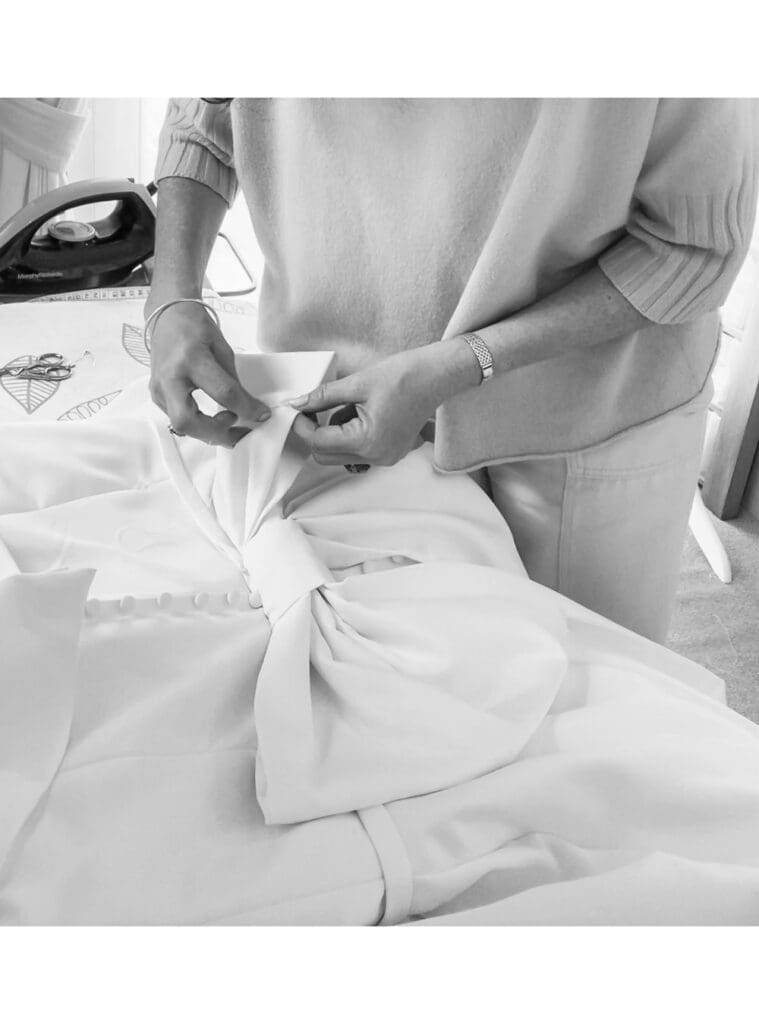
That is what you are paying for when you invest in a skilled bridal seamstress.
If you are looking for wedding dress alterations and would like to enquire about availability, you can get in touch via my bridal alterations booking form.
